
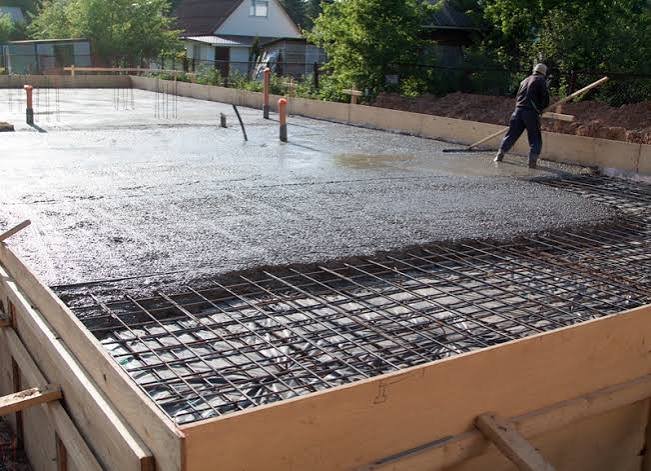
A slab foundation is one of the most common foundation types used in modern residential and commercial construction. It offers a durable, cost-effective base that supports a structure while reducing maintenance compared to other foundation systems. Whether you’re building a new home or learning about different foundation options, understanding how a slab foundation works can help you make informed decisions.
This guide explains the construction process, benefits, drawbacks, maintenance tips, and situations where a slab foundation is the right choice.
What Is a Slab Foundation?
A slab foundation is a thick layer of reinforced concrete poured directly onto prepared ground. Unlike crawl space or basement foundations, it sits at ground level and serves as both the structural base and the floor of the building.
Before pouring the concrete, contractors prepare the site by leveling the soil, adding compacted gravel for drainage, installing moisture barriers, and positioning steel reinforcement. Utility lines such as plumbing are typically installed before the concrete is poured.
This simple yet effective design has become popular because it combines strength, affordability, and faster construction.
How a Slab Foundation Is Built
The construction process begins with proper site preparation. The ground is excavated and compacted to create a stable base. Gravel is then spread to improve drainage and minimize moisture issues.
A vapor barrier is installed to reduce moisture penetration, followed by reinforcing steel bars or wire mesh that strengthens the concrete. Once everything is in place, concrete is poured, leveled, and allowed to cure until it reaches full strength.
Proper curing is essential because it improves durability and reduces the likelihood of future cracking.
Benefits of a Slab Foundation
A slab foundation offers several advantages that make it a preferred choice in many regions.
Construction is generally faster because there is no need to excavate for a basement or build a crawl space. This often lowers labor costs and shortens project timelines.
The solid concrete base provides excellent structural stability and evenly distributes the building’s weight. It also minimizes spaces where pests such as termites and rodents might nest.
Energy efficiency is another advantage. Since there is little air circulation beneath the home, floors tend to stay warmer during cooler months, reducing heat loss.
Maintenance is often simpler because there are fewer structural components underneath the building that require inspection or repair.
Potential Drawbacks to Consider
Although a slab foundation has many strengths, it is not suitable for every property or climate.
Plumbing and utility repairs can become more complicated because pipes are embedded within or beneath the concrete slab. If repairs are necessary, portions of the concrete may need to be removed.
Cracks may develop over time due to soil movement, improper drainage, or natural settling. While many small cracks are harmless, larger ones should be evaluated by a qualified foundation professional.
Homes built on expansive clay soils or areas with frequent freeze-thaw cycles may require additional engineering to prevent movement and structural damage.
Where Slab Foundations Work Best
Slab foundations perform especially well in warm climates where deep frost is uncommon. Regions with stable soil conditions also benefit from this type of construction because the risk of significant ground movement is lower.
Builders frequently choose slab-on-grade construction for residential homes, garages, workshops, and commercial buildings due to its efficiency and reliability.
Maintenance Tips for Long-Term Performance
Keeping a slab foundation in good condition requires regular attention to drainage and moisture control.
Ensure gutters and downspouts direct rainwater away from the home. Standing water near the foundation can soften the soil and contribute to settlement.
Inspect the exterior periodically for visible cracks. Hairline cracks are common in concrete, but widening cracks or uneven floors may indicate underlying structural concerns.
Maintaining consistent soil moisture around the home can also help minimize expansion and contraction, particularly in regions with clay-rich soils.
Slab Foundation vs. Crawl Space
Homeowners often compare slab foundations with crawl space foundations before building.
A slab foundation generally costs less to construct and requires less ongoing maintenance. It also provides better resistance against pests and moisture entering from below.
Crawl spaces, however, offer easier access to plumbing, electrical wiring, and HVAC systems. They may also provide better protection in areas where ground movement or flooding is a concern.
The best choice depends on local climate, soil conditions, building codes, and long-term maintenance preferences.
Choosing the Right Foundation for Your Home
Selecting the ideal foundation involves more than simply comparing construction costs. Soil stability, drainage, local weather patterns, and future maintenance should all influence the decision.
An experienced structural engineer or qualified contractor can evaluate site conditions and recommend the most suitable foundation system for your project. Investing in proper planning helps reduce future repair costs and improves the longevity of your home.
Conclusion
A slab foundation remains one of the most practical and dependable foundation systems for modern construction. Its combination of affordability, strength, and efficient installation makes it an excellent option for many residential and commercial buildings. While it has certain limitations, proper design, quality construction, and routine maintenance allow a slab foundation to provide decades of reliable performance. Understanding its advantages and potential challenges ensures homeowners can confidently choose the right foundation for their property.
FAQs
Is a slab foundation strong enough for a house?
Yes. When properly designed and reinforced, a slab foundation provides excellent structural support for residential homes.
How long does a slab foundation last?
A well-built concrete slab foundation can last 50 to 100 years or even longer with proper maintenance.
Can cracks in a slab foundation be repaired?
Yes. Small cracks can often be sealed, while larger structural cracks should be evaluated and repaired by foundation specialists.
Is a slab foundation cheaper than a basement?
In most cases, yes. Slab foundations generally require less excavation and fewer materials, making them more affordable.
Does a slab foundation require maintenance?
Yes. Regular inspections, proper drainage, and moisture management help extend the life of the foundation.
About the Author