
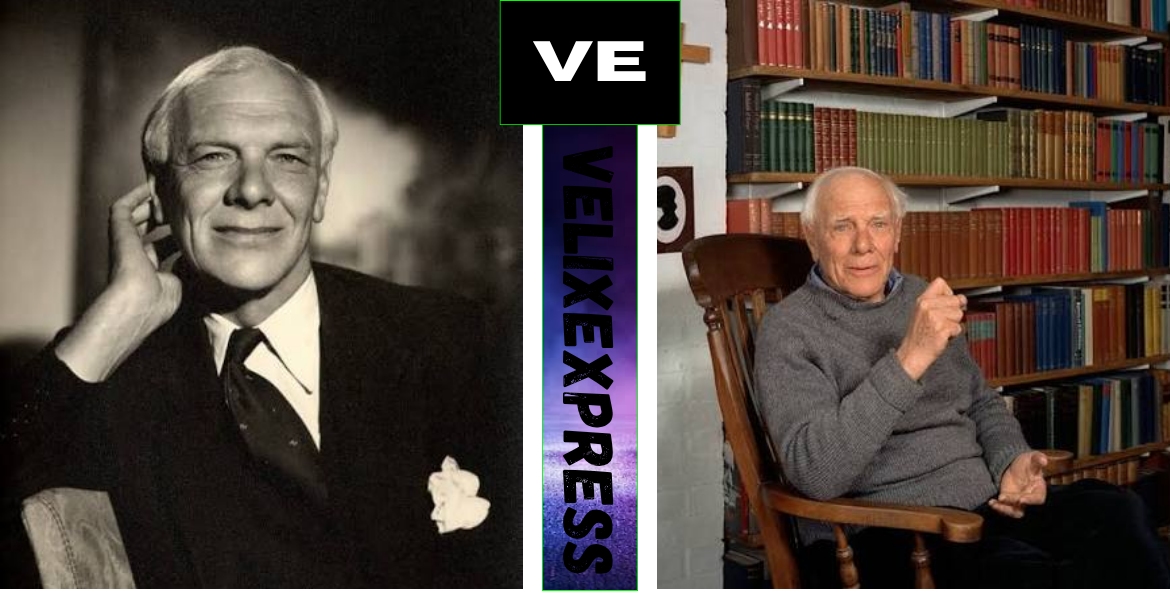
When discussing influential British journalists of the twentieth century, Malcolm Muggeridge is a name that deserves special recognition. Known for his sharp wit, fearless journalism, insightful books, and memorable broadcasting career, Malcolm Muggeridge became one of Britain’s most respected public intellectuals. Throughout his life, he challenged political ideologies, criticized social trends, and encouraged audiences to think critically about culture, morality, and faith.
His remarkable journey—from newspaper correspondent to internationally recognized broadcaster and bestselling author—continues to inspire journalists, historians, writers, and students worldwide. Whether reporting from the Soviet Union, presenting television programs, or writing thought-provoking books, Malcolm Muggeridge consistently demonstrated intellectual courage and journalistic integrity.
This article explores the life, achievements, literary contributions, broadcasting career, beliefs, controversies, and lasting legacy of Malcolm Muggeridge.
Who Was Malcolm Muggeridge?
Malcolm Muggeridge was a British journalist, author, broadcaster, satirist, and social commentator born on 24 March 1903 in London, England. He gained international recognition through his newspaper reporting, television appearances, and influential books.
He became especially known for:
- Investigative journalism
- Political commentary
- Television broadcasting
- Literary works
- Christian apologetics
- Cultural criticism
His career spanned more than five decades, during which he became one of Britain’s most recognizable media personalities.
Quick Facts About Malcolm Muggeridge
| Attribute | Details |
|---|---|
| Full Name | Malcolm Muggeridge |
| Born | 24 March 1903 |
| Birthplace | London, England |
| Nationality | British |
| Profession | Journalist, Author, Broadcaster |
| Known For | Journalism, Television, Books |
| Education | Selwyn College, Cambridge |
| Died | 14 November 1990 |
Early Life and Education
Malcolm Muggeridge was born into a politically active family. His father was associated with socialist politics, which exposed him to debates about society and governance from an early age.
He attended Selwyn College, Cambridge, where he studied English literature. During these formative years, he developed exceptional writing skills and a deep interest in politics, philosophy, and journalism.
His education laid the foundation for a career defined by intellectual curiosity and fearless commentary.
Malcolm Muggeridge’s Journalism Career
Early Newspaper Work
Malcolm Muggeridge began his professional journey as a teacher before transitioning into journalism. His talent for writing soon earned him positions with leading British newspapers.
As a foreign correspondent, he covered major political and social developments across Europe and beyond.
Reporting from the Soviet Union
One of the defining moments in Malcolm Muggeridge’s career came during his time in the Soviet Union.
While many Western journalists portrayed Soviet policies positively, Muggeridge independently reported on the devastating famine in Ukraine during the early 1930s. His reports challenged official narratives and highlighted the importance of honest journalism.
This courageous reporting enhanced his reputation as a journalist willing to prioritize truth over political convenience.
Featured Snippet: Why is Malcolm Muggeridge famous?
Malcolm Muggeridge is famous for being a British journalist, author, and broadcaster known for his independent reporting, sharp social criticism, influential books, television career, and courageous journalism, including his reporting on the Soviet famine.
Career as a Broadcaster
Malcolm Muggeridge became a familiar face on British television through his work with the BBC and other broadcasting platforms.
His television appearances were characterized by:
- Intelligent discussions
- Humorous observations
- Cultural analysis
- Political commentary
- Interviews with notable personalities
His articulate speaking style made complex issues accessible to a broad audience.
Influence on Television Journalism
During the rise of television journalism, Malcolm Muggeridge helped redefine how broadcasters engaged with audiences.
His programs emphasized:
- Independent thinking
- Intellectual honesty
- Balanced discussion
- Ethical journalism
- Cultural awareness
His influence can still be seen in modern current affairs programming.
Malcolm Muggeridge as an Author
Besides journalism, Malcolm Muggeridge wrote numerous books covering politics, society, religion, and autobiography.
Some of his best-known works include:
- Chronicles of Wasted Time
- Jesus Rediscovered
- Christ and the Media
- Something Beautiful for God
His writing combined humor, skepticism, historical reflection, and philosophical depth.
Writing Style
Readers appreciated Malcolm Muggeridge for his distinctive writing style.
His books often featured:
- Satirical humor
- Elegant prose
- Intellectual analysis
- Personal reflections
- Historical context
His ability to blend storytelling with critical thinking made his works widely respected.
Relationship with Mother Teresa
One of Malcolm Muggeridge’s most significant contributions to broadcasting was introducing Mother Teresa to a global audience.
His documentary and subsequent book Something Beautiful for God showcased her humanitarian work in India.
This exposure dramatically increased international awareness of Mother Teresa’s mission and inspired many people to support charitable causes.
Featured Snippet: What book helped introduce Mother Teresa to the world?
Malcolm Muggeridge’s book Something Beautiful for God played a major role in introducing Mother Teresa and her humanitarian work to an international audience.
Religious Beliefs and Spiritual Journey
Although Malcolm Muggeridge spent much of his early life questioning organized religion, his views gradually evolved.
Later in life, he embraced Christianity and became one of its most thoughtful public defenders.
His religious writings focused on:
- Faith
- Morality
- Purpose of life
- Spiritual transformation
- Christian philosophy
His conversion deeply influenced his later books and television appearances.
Malcolm Muggeridge’s Philosophy
Throughout his career, Malcolm Muggeridge encouraged independent thinking.
Some recurring themes in his work included:
- The importance of truth
- Freedom of expression
- Ethical responsibility
- Criticism of materialism
- Value of spiritual life
These ideas continue to resonate with readers seeking thoughtful commentary on modern society.
Major Achievements
Malcolm Muggeridge accomplished numerous milestones during his career.
Key achievements include:
- Internationally respected journalist
- Successful television broadcaster
- Bestselling author
- Influential social critic
- Prominent Christian thinker
- Advocate for ethical journalism
- Promoter of humanitarian causes
His influence extended well beyond journalism into literature, religion, and public discourse.
Malcolm Muggeridge’s Lasting Legacy
Today, Malcolm Muggeridge remains one of Britain’s most influential journalists.
His legacy includes:
- Courageous investigative reporting
- High journalistic standards
- Intellectual honesty
- Literary excellence
- Thought-provoking broadcasting
Students of journalism continue studying his work for lessons in integrity and independent reporting.
Lessons We Can Learn from Malcolm Muggeridge
His remarkable life offers valuable lessons for writers, journalists, and professionals.
Key takeaways include:
- Always pursue truth.
- Think independently.
- Question popular narratives.
- Maintain ethical standards.
- Never stop learning.
- Value intellectual honesty.
- Communicate with clarity and purpose.
These principles remain highly relevant in today’s digital media landscape.
Frequently Asked Questions (FAQs)
Who was Malcolm Muggeridge?
Malcolm Muggeridge was a British journalist, author, broadcaster, and social commentator known for his independent journalism, television work, and influential books.
Why is Malcolm Muggeridge important?
He is remembered for courageous reporting, insightful cultural criticism, influential broadcasting, and promoting ethical journalism and thoughtful public debate.
What books did Malcolm Muggeridge write?
Some of his notable works include:
- Chronicles of Wasted Time
- Jesus Rediscovered
- Something Beautiful for God
- Christ and the Media
What was Malcolm Muggeridge’s profession?
He worked as a journalist, newspaper editor, television broadcaster, author, critic, and public speaker.
What is Malcolm Muggeridge’s legacy?
His legacy lies in fearless journalism, influential broadcasting, literary excellence, and a lifelong commitment to truth, independent thinking, and ethical public discourse.
Why Malcolm Muggeridge Still Matters Today
In today’s era of instant news, social media, and rapidly changing public opinion, Malcolm Muggeridge’s commitment to truth and intellectual independence feels more relevant than ever. He consistently demonstrated that journalism should challenge assumptions rather than reinforce them, and that writers have a responsibility to inform, question, and inspire.
His career reminds modern communicators that credibility is built through integrity, curiosity, and the courage to report facts even when they are unpopular. His thoughtful reflections on media, society, and faith continue to offer valuable perspectives for readers navigating an increasingly complex information landscape.
Internal Linking Ideas
- The History of British Journalism
- Greatest British Authors of the 20th Century
- Famous BBC Broadcasters and Their Legacy
- Mother Teresa: Life, Mission, and Global Impact
- The Evolution of Investigative Journalism
External Authority Sources
- Encyclopaedia Britannica
- The British Library
- BBC History
Conclusion
Malcolm Muggeridge left an extraordinary mark on journalism, literature, and broadcasting through his fearless reporting, insightful commentary, and unwavering pursuit of truth. From exposing uncomfortable realities as a foreign correspondent to engaging millions through television and writing influential books, he demonstrated how a journalist can shape public understanding with integrity and intellectual courage.
His life illustrates that meaningful journalism is built on honesty, critical thinking, and a willingness to question prevailing narratives. These qualities have ensured that his work remains relevant decades after his passing, inspiring journalists, students, and readers around the world.
If you enjoyed learning about Malcolm Muggeridge, explore more biographies of influential journalists, authors, and broadcasters to discover how their ideas and contributions continue to shape media, culture, and society today.
About the Author