Brian Cant: The Beloved Face and Voice of British Children’s Television
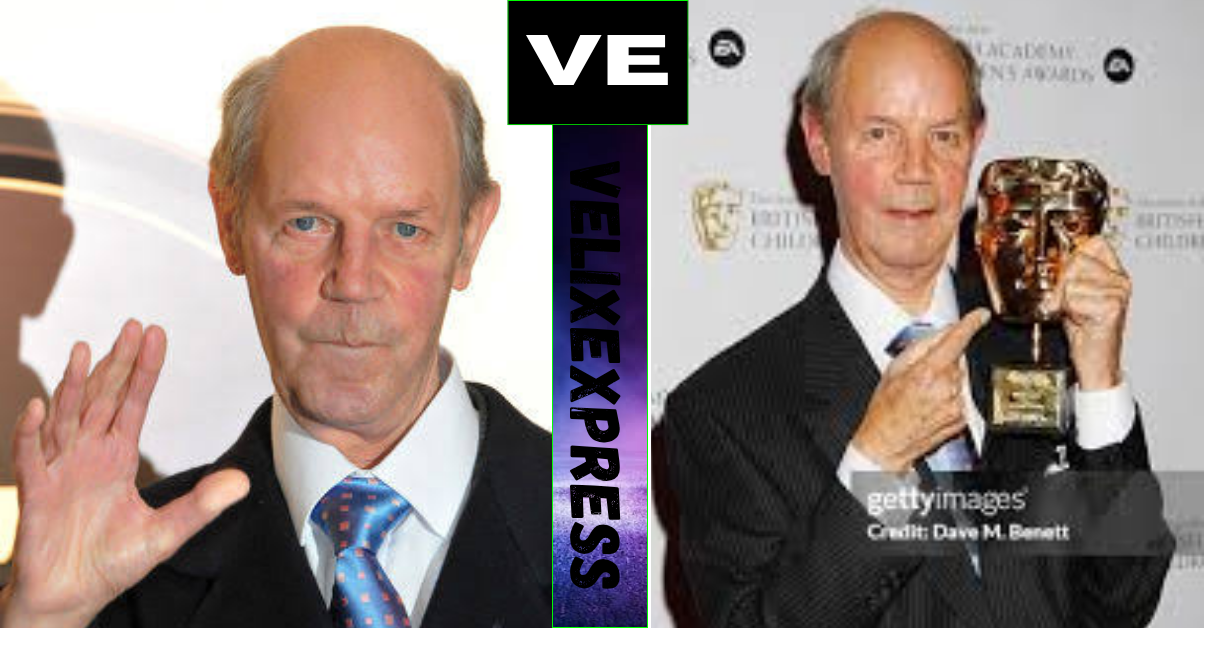
Who Was Brian Cant?
Brian Cant was one of the most recognizable personalities in British children’s television. Best remembered for his long association with Play School, Play Away, and the animated series Camberwick Green, Trumpton, and Chigley, Cant built a career around a rare ability: making young viewers feel that he was speaking directly to them.
Born in Ipswich in 1933, Cant initially pursued acting and theatre before becoming a defining presence on children’s television. His career eventually covered presenting, acting, narration, singing, theatre and television work across several decades.
His influence was formally recognized when he received the BAFTA Special Award for his outstanding contribution to children’s television in 2010. BAFTA notes that he presented Play School for 21 years from May 1964 and also contributed to several much-loved children’s programmes.
For generations of British viewers, Brian Cant was more than a television presenter. He became part of the experience of childhood itself.
Brian Cant’s Early Life and Acting Career
Brian Cant was born on 12 July 1933 in Ipswich, Suffolk. Before becoming a household name on children’s television, he had ambitions connected to football and initially worked outside professional acting.
His interest in performance eventually led him toward theatre. He became a professional actor in the late 1950s and appeared in stage productions and television dramas before his breakthrough in children’s programming.
This theatrical background proved valuable. Children’s television required timing, imagination, clear communication and the ability to perform naturally in front of a camera. Cant possessed all of these qualities.
His early career also demonstrates that his success was not an overnight phenomenon. He developed his performance skills through theatre and television before finding the role that would define his public image.
From Actor to Children’s Television Presenter
Cant’s major career turning point came in 1964 when he joined the BBC children’s programme Play School. The programme was designed for young children and took a creative approach to learning, storytelling, music and imaginative play.
According to BAFTA, Cant remained associated with Play School for 21 years, making him one of the programme’s most enduring presenters.
That longevity mattered. Viewers did not simply encounter Cant once or twice. For many children, he became a familiar television presence throughout their earliest years.
Brian Cant and Play School
When discussing Brian Cant, it is almost impossible to avoid Play School.
The BBC programme premiered in 1964 and became an important part of British children’s television. Rather than simply entertaining its young audience, Play School encouraged children to participate through songs, stories, movement, crafts, imagination and observation.
Cant’s approach fitted that philosophy remarkably well.
One of his most important skills was his conversational style. Instead of performing as though children were merely spectators, he treated them as participants.
The Guardian’s obituary of Brian Cant reports Cant explaining that presenters were expected to perform for the camera as though they were speaking to one individual child.
That idea helps explain why his work remained so memorable.
Why Brian Cant Was So Effective on Play School
Several qualities distinguished Cant’s presenting style:
- Warmth: His delivery was friendly without feeling artificial.
- Clarity: He communicated ideas in a way that young viewers could follow.
- Imagination: Simple objects could become the starting point for elaborate games and stories.
- Humour: He used gentle comedy rather than talking down to children.
- Participation: His presentation encouraged children to sing, think, move and imagine.
- Consistency: Years of appearances made him a trusted and familiar presence.
The BBC Programme Index also preserves historical evidence of BBC programmes featuring Cant, illustrating how closely his name became associated with children’s programming.
Brian Cant and Play Away
Cant’s children’s television career was not limited to preschool programming.
In 1971, he became one of the regular presenters of Play Away, a programme aimed at an older children’s audience. The show built on the entertainment and musical elements associated with Play School while offering a different style and tone.
Cant’s work on Play Away demonstrated his versatility. He could entertain younger children in a simple, direct format while also working successfully with an older audience.
The BBC Programme Index records Cant appearing as a leading figure on Play Away alongside Floella Benjamin in 1984.
The programme also brought together performers from different areas of entertainment, reinforcing Cant’s reputation as an experienced television entertainer rather than someone associated with only one format.
Brian Cant and the Trumptonshire Series
Another major part of Brian Cant’s legacy comes from his voice work.
He narrated and provided voices for the classic animated series:
- Camberwick Green
- Trumpton
- Chigley
These programmes were created by Gordon Murray and became closely associated with British children’s television during the 1960s.
Cant’s voice helped give the fictional communities their distinctive character. His calm delivery complemented the gentle pace of the animation and storytelling.
The Guardian’s retrospective on Brian Cant specifically highlights his work on Trumpton, Camberwick Green and Chigley.
Why His Voice Became So Memorable
A great television voice does not necessarily need to be dramatic.
Brian Cant demonstrated the power of a measured, reassuring delivery. His voice was distinctive without overwhelming the characters or stories.
For viewers who grew up watching these programmes, hearing Cant’s narration could immediately evoke memories of childhood television.
That is a significant part of his cultural legacy: his work became connected not simply with individual programmes but with an entire era of British children’s broadcasting.
Brian Cant’s Work Beyond Children’s Television
Although children’s television became his signature, Brian Cant was a professional actor with a broader career.
He appeared in adult television productions including Doctor Who, Casualty and Doctors. The Guardian also records his work in theatre, including productions such as The Railway Children and The Canterbury Tales.
His appearance in Doctor Who is particularly interesting because it demonstrates how his career crossed genres. He appeared in more than one story and played characters who met very different fates.
Cant also continued working in children’s television later in life. His credits included programmes such as Bric-A-Brac, Milkshake! and Dappledown Farm.
This range is easy to overlook when considering him primarily as the face of Play School. In reality, he maintained a long and varied career across stage and screen.
Brian Cant’s BAFTA Recognition
A major milestone in Cant’s career came in 2010, when he received the BAFTA Special Award at the British Academy Children’s Awards.
The award recognized his outstanding contribution to children’s television. BAFTA described him as a legendary British children’s television presenter and highlighted his 21-year association with Play School.
The recognition was significant because it acknowledged something that audiences had already understood for decades: Cant had made an enduring contribution to British television.
Rather than being remembered for a single successful programme, he was celebrated for an entire body of work.
Brian Cant’s Approach to Children’s Television
One reason Brian Cant remains relevant is that his work offers a useful lesson about effective children’s media.
He did not rely on excessive spectacle. Instead, his performances often centered on communication, curiosity and imagination.
His philosophy was consistent with the idea that television could be a starting point for activity rather than an endpoint. The Guardian reported Cant discussing the importance of children going away after a programme and trying things themselves.
That approach remains interesting in an era when children have access to enormous amounts of digital content.
What Modern Presenters Can Learn From Brian Cant
Brian Cant’s career suggests several principles that still matter:
- Speak with children, not down to them.
- Make participation more important than passive viewing.
- Use imagination to make ordinary things interesting.
- Treat young audiences with respect.
- Build trust through consistency and authenticity.
These principles help explain why his work has remained memorable long after many individual programmes disappeared from regular television schedules.
Brian Cant’s Later Years and Legacy
Cant continued working well beyond the period when he became famous for Play School. He received his BAFTA Special Award in 2010 and was still appearing on television into his later years.
He died on 19 June 2017 at the age of 83. His death was widely reported as the passing of a major figure in British children’s television. The Guardian reported his death at the age of 83.
His legacy, however, is much larger than the date of his death.
For people who grew up with Play School, Play Away, Trumpton, Camberwick Green or Chigley, Brian Cant’s work remains part of a shared cultural memory.
His career also represents an important period in television history when children’s programming placed considerable emphasis on imagination, storytelling, music and direct interaction.
Frequently Asked Questions About Brian Cant
Who was Brian Cant?
Brian Cant was a British actor and television presenter best known for children’s programmes including Play School and Play Away. He also narrated and voiced characters in Camberwick Green, Trumpton and Chigley.
How long was Brian Cant on Play School?
Brian Cant presented Play School for 21 years, beginning in 1964. BAFTA identifies his 21-year contribution as one of the defining achievements of his television career.
What was Brian Cant famous for?
Brian Cant was particularly famous for presenting Play School, presenting Play Away, and providing narration and voices for the classic Trumptonshire programmes Camberwick Green, Trumpton and Chigley.
Did Brian Cant act outside children’s television?
Yes. Cant worked extensively as an actor and appeared in productions including Doctor Who, Casualty and Doctors. He also performed in theatre productions.
Did Brian Cant receive a BAFTA?
Yes. Brian Cant received the BAFTA Special Award in 2010 for his outstanding contribution to children’s television. BAFTA’s official awards record lists Cant as the 2010 Special Award winner.
When did Brian Cant die?
Brian Cant died on 19 June 2017, aged 83.
Internal Linking Ideas
For your own website, replace the following placeholder URLs with your actual pages:
- The History of British Children’s Television — link from the introduction or legacy section.
- A Guide to Play School — link from the section about Cant’s 21-year career.
- Classic BBC Children’s Programmes — link from the Trumptonshire section.
- British Television Presenters of the 1960s and 1970s — link from the career section.
- Doctor Who Guest Actors — link from the section covering Cant’s adult television work.
External Authority Sources
For factual verification and additional research:
- BAFTA – Brian Cant: 2010 Children’s Awards — official information about Cant’s BAFTA Special Award and Play School career.
- BBC Programme Index – Play Away — historical BBC programme information documenting Cant’s Play Away appearance.
- The Guardian – Brian Cant Obituary — detailed retrospective covering Cant’s television, theatre and children’s-TV career.
Conclusion: Why Brian Cant Still Matters
Brian Cant occupies a special place in the history of British television. His career stretched far beyond one programme, but Play School remains the clearest symbol of his contribution.
For 21 years, he helped create television that invited children to participate, imagine and explore. His work on Play Away broadened that connection with young audiences, while his narration of Camberwick Green, Trumpton and Chigley gave his voice an enduring place in British popular culture.
His BAFTA Special Award confirmed the professional significance of a career that generations of viewers already valued.
The enduring appeal of Brian Cant is ultimately about more than nostalgia. His career demonstrates how warmth, imagination, authenticity and respect for an audience can create television that lasts.
If you’re interested in the people and programmes that shaped British television, explore more of our celebrity biographies, classic TV retrospectives and entertainment-history features.